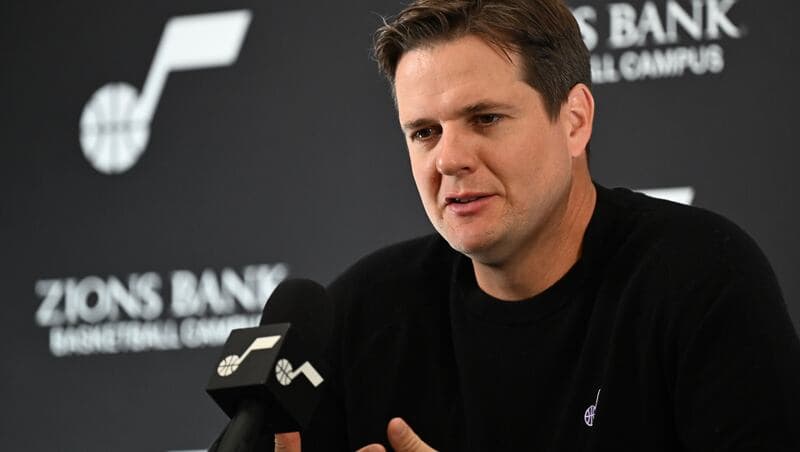
The doors at the Zions Bank Basketball Campus are open. The roster is set. The calendar reads September 29, 2026. For the Utah Jazz, that combination means something it hasn't meant in years: the future is now, and there's nowhere left to hide.
A new era is beginning for the Jazz. So are new expectations - and unlike the last three seasons, those expectations come with a bill attached.
From Rebuild to Reckoning: Why the Jazz Can't Hide Anymore
For three seasons, the Utah Jazz sold hope. Trading Rudy Gobert and Donovan Mitchell in the summer of 2022 kicked off a full teardown, and the front office's message was simple: trust the process. Danny Ainge stockpiled draft capital, flipped veterans for future assets, and asked a fanbase known for packed houses and playoff runs to embrace something harder - patience.
Now the process has a ticking clock.
As of today, the excuses are expired. Lauri Markkanen is no longer a steal - he's the franchise anchor on a max-level contract and the face of whatever this team becomes. Walker Kessler has grown from rim-running project into a defensive pillar. Keyonte George has logged real NBA reps, real mistakes, and real growth. The young core isn't young anymore. It's accountable.
That shift changes everything about how this season gets judged. For years, a 35-win season came wrapped in draft-lottery optimism and mock-draft chatter. Now every loss lands differently. Ainge built a war chest of picks and cap flexibility, and flexibility only matters when you finally spend it. Jazz fans have watched the Western Conference arms race from the sidelines long enough.
The West Won't Wait
Here's the brutal context: the Western Conference doesn't hand out grace periods. Denver, Oklahoma City, and Minnesota have contended and reloaded. The teams that stall in the middle get swallowed whole. Utah can't coast on "development" while the standings bury them by January - not with a home crowd that remembers what real basketball looks like.
📊 Three seasons of rebuilding (2023-26) - Ainge's teardown produced one of the deepest draft-pick stashes in the league, but that currency only pays off when it's converted into players who win games.
The clock isn't just ticking on the season. It's ticking on the entire plan.
The Three Questions That Define 2026-27
Every new era gets defined by the questions it can't dodge. For these Jazz, three stand above the rest.
Is Lauri Markkanen a No. 1 or a No. 2?
Markkanen's All-Star breakout made him a fan favorite from Helsinki to Salt Lake City, but playoff basketball asks harder questions. Can he carry an offense when defenses game-plan for him every single night? Can he get to his spots when the scouting report is built entirely around stopping him?
Table: Markkanen's Franchise Responsibility
| Era | Role | Contract Status | Team Expectation |
|---|---|---|---|
| 2022-23 | Breakout steal | Team-friendly deal | Develop into a star |
| 2023-25 | Best player on rebuilding roster | Rising value | Lead the youth movement |
| 2026-27 | Franchise anchor | Max-level contract | Deliver wins, not hope |
If he's a co-star rather than a solo act, Utah needs to find the other guy - through the draft haul, free agency, or a trade. That decision shapes the entire era.
Can Will Hardy's System Win When It Counts?
Hardy earned league-wide praise for squeezing competitive basketball out of rebuilding rosters. Players developed. Effort never wavered. But player development and winning playoff series are different jobs.
His rotations, late-game play-calling, and ability to hold a locker room through a losing stretch will face real scrutiny for the first time. Fair or not, development coaches get evaluated on wins the moment the roster is supposed to be good - and this roster is supposed to be good.
📊 The coaching inflection point - Hardy's first three seasons were graded on growth; season four will be graded on the scoreboard, where late-game execution and rotation discipline separate good coaches from winning ones.