The league's oldest superstar sits early - and in Philadelphia, the lesson lands loud. Here's how the 76ers' veteran workload plan fits into the NBA's Player Participation Policy era.
The LeBron Lesson: Why an Early Absence Reverberates in Philadelphia
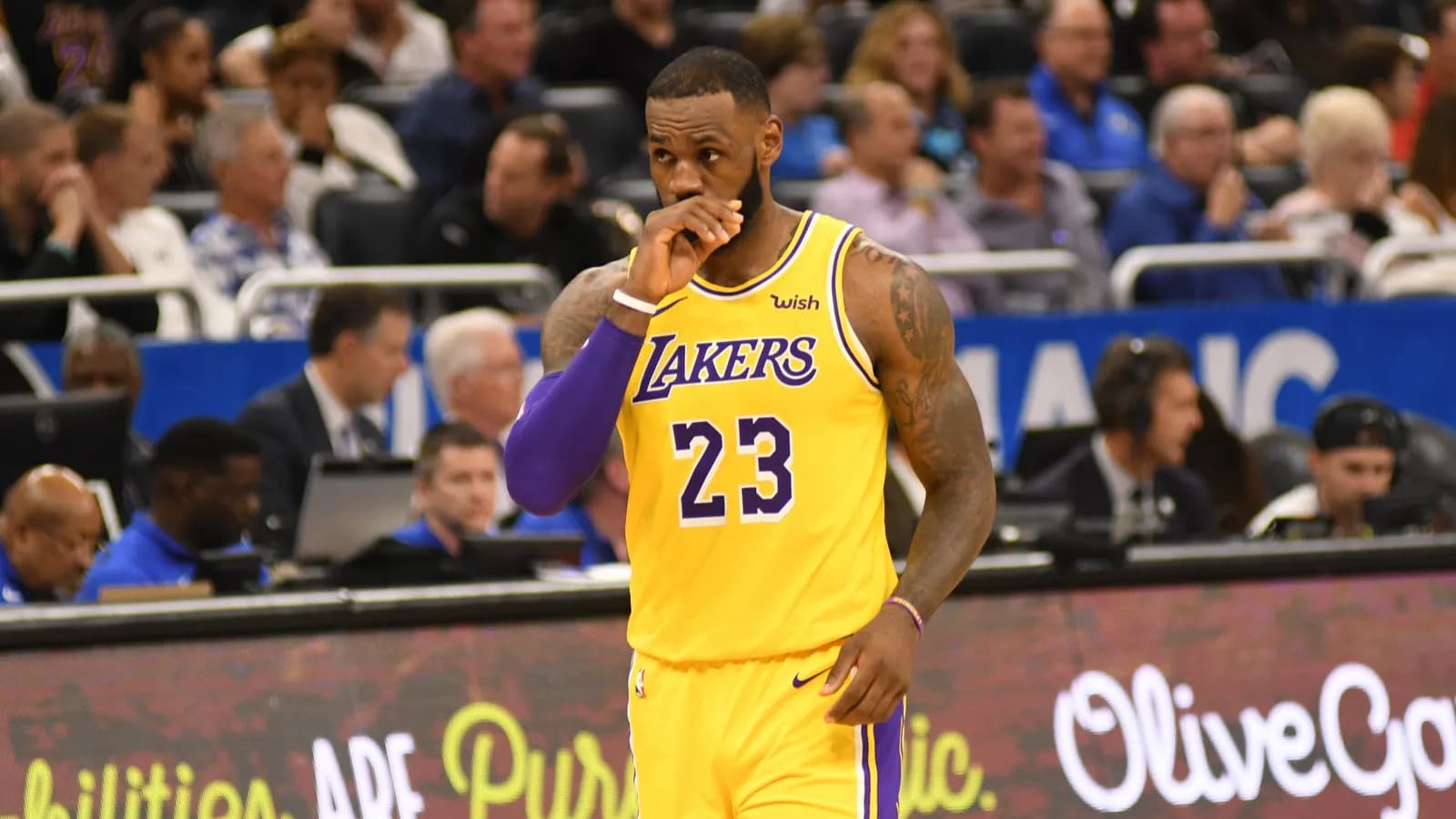
LeBron James is the oldest active player in the NBA. Born December 30, 1984, he's now playing full seasons against opponents who weren't alive when he debuted. Every October, that reality turns his early-season availability into a league-wide obsession - and every veteran roster in the association is watching how the Lakers handle their legend.
Here's the core tension: teams want to protect aging superstars with managed minutes and strategic rest, but the NBA's Player Participation Policy (adopted by the Board of Governors in September 2023) restricts resting two healthy star players in the same game. The policy specifically targets nationally televised matchups and in-season tournament games - the exact stages where fans and broadcast partners expect to see the biggest names.
One honest caveat before we go further: any specific James absence should be confirmed through the NBA's official injury report, updated daily at nba.com/injury-report. What matters for this conversation isn't a single designation - it's the principle. Cautious early-season handling of an aging superstar is now standard operating procedure across the league.
> 📊 Born December 30, 1984 - LeBron James is the NBA's oldest active player in 2026-27 - his workload is the template every contender studies.
If the Lakers are managing their legend carefully, what does that mean for a 76ers roster leaning on experienced legs? Philadelphia, take notes.
Inside the 76ers' Veteran Workload Plan
What the Player Participation Policy Actually Allows
Let's break down the real-world constraints. The policy applies to "stars" - players who earned All-NBA or All-Star honors in any of the prior three seasons. The headline rule: no resting two healthy stars in the same game. Add national-TV spotlight games and in-season tournament nights to the restricted list, and October becomes the trickiest month on the calendar. Teams want to bank rest early, before games matter most, but the policy narrows the runway considerably.
| Rule Element | What It Restricts | Why October Is Tricky |
|---|---|---|
| "Star" designation | All-NBA or All-Star in prior three seasons | Most veteran cores qualify |
| Two-star rule | Resting two healthy stars same game | Depth must absorb absences |
| Spotlight games | National TV and in-season tournament | Early schedule is loaded with them |
| Verification layer | Official injury report scrutiny | Rest must be documented, not improvised |
How Philadelphia Is Threading the Needle
The 76ers' approach mirrors the Lakers' template: staggered rest nights so no single absence triggers a violation, practice-load modulation to keep veterans fresh without sitting them in pairs, and depth leveraged as insurance. When one veteran sits, another plays - that's the whole chess match.
The verification layer matters. Beat reporters from the Philadelphia Inquirer and The Athletic, plus the team's official channels at nba.com/sixers, track every designation, and the daily injury report is the receipt. Fans deserve transparency, and the policy at least demands documentation.
The Bigger Picture: Load Management Is Now a Front-Office Chess Match
Zoom out, and the truth is stark: veteran workload management isn't a coaching call anymore - it's roster construction and cap efficiency. Teams that plan rest in October protect their stars for April and May, when absences cost playoff seeds instead of regular-season games. The October advantage is real: an early absence is cheaper than a spring one, every single time.
| Window | Cost of Resting a Star | Strategic Value |
|---|---|---|
| October - November | Low - standings still fluid | Bank freshness early |
| December - February | Medium - playoff race forming | Selective spot rest |
| March - April | High - seeding on the line | Save legs for playoffs |
| Playoffs | Prohibitive | Stars must play |
> 📊 The Player Participation Policy was adopted September 2023 - and it reshaped how every front office plans its veteran workload.
Fan-first counterpoint, because it's fair: starless nights frustrate paying customers, and the policy guarantees documentation, not appearance. But the takeaway for Philadelphia is clear. LeBron James' early absence highlights the Philadelphia 76ers' veteran workload management as one of the season's most-watched front-office experiments. How the 76ers balance rest, rules, and wins will define their year - and the league is watching every move.
Editor's note: LeBron James' specific status and the 76ers' latest injury designations should be verified against the official NBA injury report and team PR before publication.