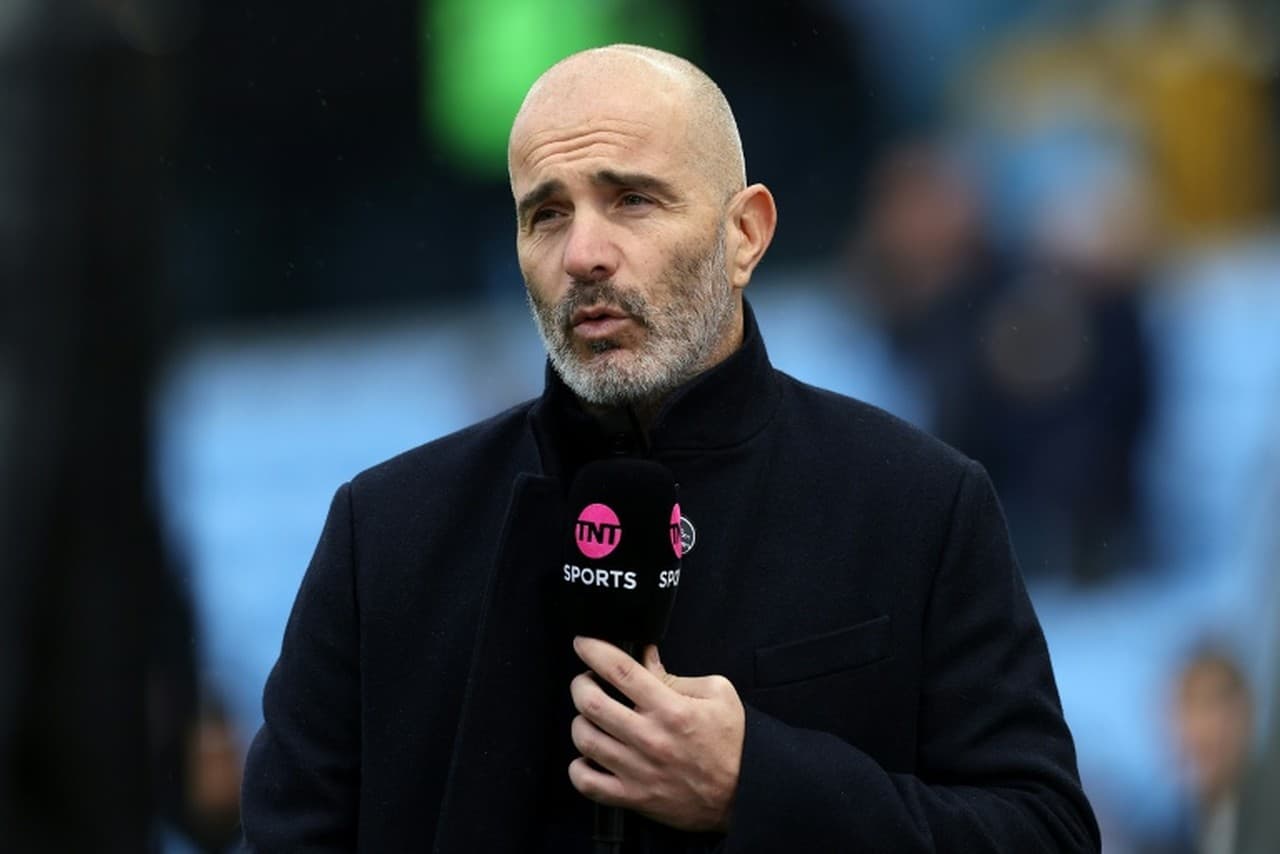
The noise around Manchester City grows louder by the week. Inside the building, though? Silent focus. That's the message from Enzo Maresca, who insisted on Thursday that his struggling side are paying zero attention to the external chatter threatening to swamp their season. Results are wobbling, pundits are sharpening their knives, and the table makes for uncomfortable reading. So the boss used his pre-match press conference to draw a line in the sand: the only voices that matter are the ones in the dressing room.
The timing could hardly be more loaded. City head into the weekend under a spotlight that has followed them through a turbulent autumn, and every dropped point has handed the outside world another talking point. Maresca refused to bite. He framed the criticism as background noise - the kind that surrounds every elite club - and made clear his players are being judged against internal standards, not the running commentary on television or social media. It's a classic shield-the-group play, and after a week when the club has dominated headlines for all the wrong reasons, it landed with real intent.
Inside the Battle: What 'Noise' Really Means Right Now
The Form That Sparked the Questions
Let's be honest - the questions were always coming. City's autumn has been a grind: points spilled in games they would normally control, late goals conceded, and a general sense that the machine is sputtering rather than purring. Add a congested fixture list and the relentless demands of competing on multiple fronts, and the margin for error shrinks fast. At a club built on winning, anything short of relentless gets treated as a crisis, and the noise machine rarely pauses to check the injury list before it starts shouting.
> 📊 Every dropped point at an elite club generates a wave of punditry and social media reaction - which is exactly the environment Maresca is refusing to let seep into his dressing room.
The context matters. This is a squad used to being hunted, used to every opponent raising their game, and used to the idea that a bad month is a story. But expectation and reality have collided this season, and the result is a weekly referendum on the manager's methods. Maresca's answer? Let the ball do the talking.
| Pressure Point | What It Looks Like | Maresca's Response |
|---|---|---|
| Results | Points dropped in winnable fixtures | Internal standards over external opinion |
| Pundit scrutiny | Weekly verdicts on tactics and selection | Shield the players from the chatter |
| Table pressure | Rivals pulling away in the race | Focus on the next fixture only |
| Media cycle | Wall-to-wall coverage of every setback | Calm, controlled, inward-looking |
The Manager's Message to the Dressing Room
This is where a manager earns his money. Maresca's job right now isn't tactics alone - it's psychology. Several of his decisions have drawn scrutiny, including rotation calls that raised eyebrows, but the head coach is adamant that unity and accountability are the non-negotiables. Training has been geared toward sharpness and belief, not self-doubt. Players are being reminded that form is temporary but standards are permanent. That's the gospel he's preaching.
> 📊 One clear message from the top: the dressing room picks itself up, not the headlines - a deliberate psychological play at a club where scrutiny never sleeps.
Why This Matters: Pressure, Perception, and What Comes Next
Zoom out and you see the bigger game. At this level, "noise" isn't just a phrase - it's a permanent condition, and how a club manages it often separates a wobble from a collapse. Maresca's choice to name it and dismiss it is a calculated move: it tells his players they're protected, tells the board he's in control, and tells the outside world the narrative won't be written by the loudest voice in the studio. Whether it works is another matter entirely.