Baseball's spending gap isn't just a fairness problem - it's a structural flaw the NBA solved four decades ago. The 2026 CBA fight is the moment to fix it.
November 21, 2026
The Real Problem Isn't the Dodgers' Payroll - It's the System Behind It
Here we go again. The 2022 Collective Bargaining Agreement expires after the 2026 season, and baseball is barreling toward the same fight it's dodged since the 1994 strike: cap or no cap. The difference this time? Owners smell blood. Players are dug in. And the sport's spending chasm has grown too wide to paper over with another round of tax tweaks.
Let's be crystal clear about the machine everyone keeps misdiagnosing. MLB's Competitive Balance Tax, in place since 2003, is a spending penalty - not a hard ceiling. It doesn't stop anyone. It just invoices them. Under the current deal, thresholds climbed from $230 million in 2022 to roughly $244 million by 2026. Pay the bill, keep the talent, win the winter. That's the entire loophole.
> 📊 The CBT threshold rose from $230M (2022) to approximately $244M (2026) - a markup, not a wall.
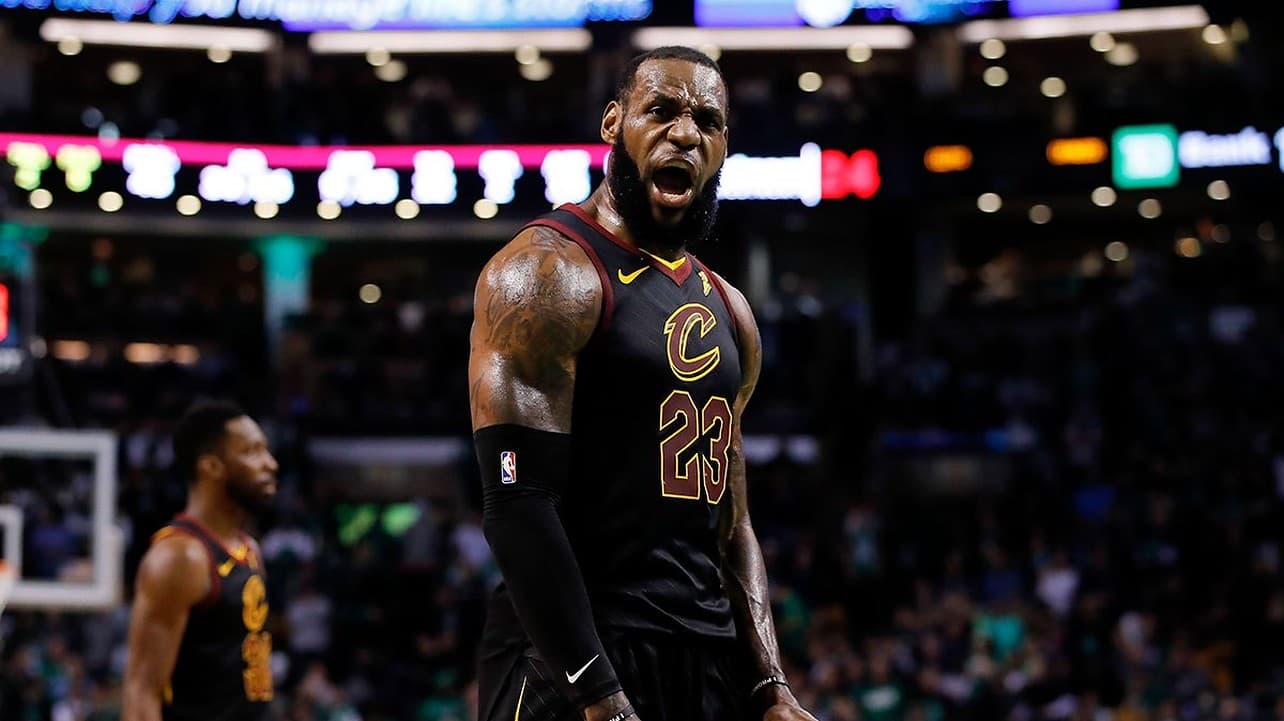
And that's the MLB desperately needs salary cap for reason everyone is ignoring, and this LeBron James example proves it: without a real cap, the luxury tax is just a membership fee for the rich. Spending power becomes a sustained structural advantage, not a one-year splurge. Big markets don't rent contention - they own it. The NBA saw this exact dynamic coming four decades ago and actually did something about it.
The Tax Isn't a Cap - and Big Markets Know It
Establish the mechanics plainly, because this is where fan debates go sideways. There's no hard ceiling. Local revenue streams are wildly uneven. There's no mechanism to compress the top of the market. An owner who wants to spend $300 million-plus simply writes a check to the league office and gets on with his offseason.
| Feature | MLB Competitive Balance Tax | NBA Hard Cap System (Since 1984) |
|---|---|---|
| Spending ceiling | Soft threshold with penalties | Hard ceiling, enforced annually |
| Top-spender restraint | Financial penalty only | Structural roster limits |
| Added in | 2003 | 1984 (second apron added 2023) |
| Effect on dynasties | Doesn't compress spending | Forces roster discipline |
With negotiations looming, this is the last window to frame the debate around structure - not villain teams. The Dodgers aren't the disease. They're the symptom.
The LeBron James Example Nobody Applies to Baseball
Time for the pivot, and it's the heart of this whole argument. The LeBron comparison isn't about his salary - it's about how the NBA cap shapes what a star's contract does to a team's ability to build around him.
Under a hard cap, paying a superstar elite money is a zero-sum decision. Every dollar committed to one player is a dollar a front office can't spend elsewhere. That's not punishment - that's the parity engine. GMs are forced to build through the draft, development, and value signings rather than simply outspending the field. The cap doesn't stop stars from getting paid; it forces discipline.
LeBron's career earnings and contract figures are the go-to reference point in every cap-versus-no-cap argument, so treat them with care. NBA cap mechanics are well documented - the cap has existed since 1984, and the 2023 CBA added a second apron to harden the top of the market. Verify any specific dollar figures against NBA primary sources and Spotrac before you repeat them.
> 📊 The NBA has enforced a salary cap since 1984 - and added a second apron in 2023 to tighten the top end even further.
The underrated lesson: a cap doesn't kill star power. It builds rosters through discipline, not checkbooks. That's the engine MLB entirely lacks. Label the viral "LeBron proves it" claims clearly as original analysis - the substance is the mechanics, not the memes.