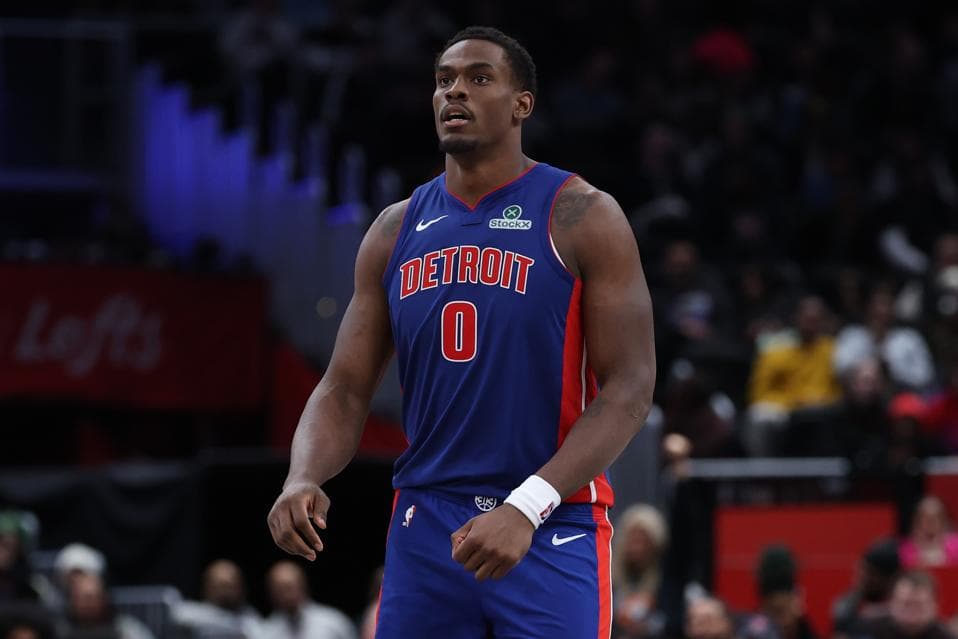
It's September 12, 2026, and the Detroit Pistons are locked in a good old-fashioned stare-down with Jalen Duren. The rim-running big man who has anchored Detroit's interior since 2022 is reportedly eyeing the qualifying-offer path instead of a long-term extension, and the rumor mill is spinning it as a power move straight out of a superstar playbook. Here's the thing: it isn't. The Pistons should call Jalen Duren's qualifying-offer bluff in this free-agency standoff - and they should do it without blinking.
The Standoff: Why Detroit's Silence Is Its Strongest Play
Let's cut through the noise. A qualifying offer is a one-year, guaranteed deal that makes a player a restricted free agent and preserves the team's matching rights. It is not a weapon. It is a placeholder - a procedural lever the Pistons control, not a cudgel Duren's camp gets to swing. Under the current CBA, Detroit simply extends the offer, Duren becomes restricted, and the market gets to speak.
For Duren, signing that QO would mean betting on himself for one season - and betting against injury, against regression, and against a market that has repeatedly cooled on non-shooting bigs. That's not leverage. That's risk worn like a costume. Every summer, fan bases talk themselves into the "bet on yourself" narrative as if it's fearless. Usually, it's just expensive.
📊 A qualifying offer locks in restricted free agency and matching rights for Detroit - not freedom for Duren. The mechanism was built to protect teams, and the Pistons hold it.
The Pistons already know how this movie ends. Detroit's front office has shown patience through every phase of this rebuild, and silence is the loudest card in the deck. There's no ticking clock forcing a bad deal. No contender knocking with a sign-and-trade ransom. Just a 22-year-old center and a team that can afford to wait him out - which is exactly why the Pistons should call Jalen Duren's qualifying-offer bluff in free-agency standoff mode, not panic mode.
Why Detroit Holds Every Card
The Pistons own the one thing Duren cannot manufacture: time. Detroit is not a contender on the clock. It's a rebuilding team with cap flexibility, a young backcourt, and zero urgent need to overpay a center who - for all his rebounding and finishing - has yet to prove he can space the floor or anchor a top-ten defense. Fans can check the roster math themselves at Spotrac and Basketball-Reference, and the numbers tell a calm story.
Now look around the league. Teams are paying premium money to switchable wings and floor-spacing fives, not traditional rim-runners. The archetype Duren represents - elite motor, elite rebounding, limited shooting range - keeps getting repriced downward. If he tests restricted free agency, the market may not deliver the max-level offer his camp imagines. Detroit knows this. That knowledge is the entire negotiation.
Table: The Two Big-Man Archetypes Driving 2026 Free Agency
| Archetype | What Teams Pay For | Market Temperature | Duren's Fit |
|---|---|---|---|
| Switchable / floor-spacing big | Shooting, defense, versatility | Hot - premium money | Partial |
| Traditional rim-runner | Rebounding, finishing, motor | Cooling | Strong |
How the Pistons Win Either Way
Calling the bluff doesn't mean lowballing. It means refusing to bid against yourself. Detroit can extend a fair, team-friendly offer, let Duren sign the qualifying offer, and revisit next summer - when the cap sheet is clearer and the roster's direction is sharper.
📊 Restricted free agency guarantees Detroit matching rights - no rival can simply sign Duren away. The Pistons lose nothing by waiting.
If he balls out, the Pistons pay him, and everybody hugs it out. If he doesn't, they dodged a bullet. Either way, Detroit keeps control, keeps flexibility, and keeps its rebuild timeline intact. That's the beauty of this position: there's no losing branch, only a cheaper one.
So no, the Pistons shouldn't panic. They shouldn't leak, they shouldn't trade, and they shouldn't hand out a franchise-center extension before the player has proven he's a franchise center. They should wait. They should stay quiet. And they should let the market deliver the verdict only it can deliver.
The Pistons should call Jalen Duren's qualifying-offer bluff in free-agency standoff, because in a stare-down, the team that can afford to lose the battle usually wins the war.