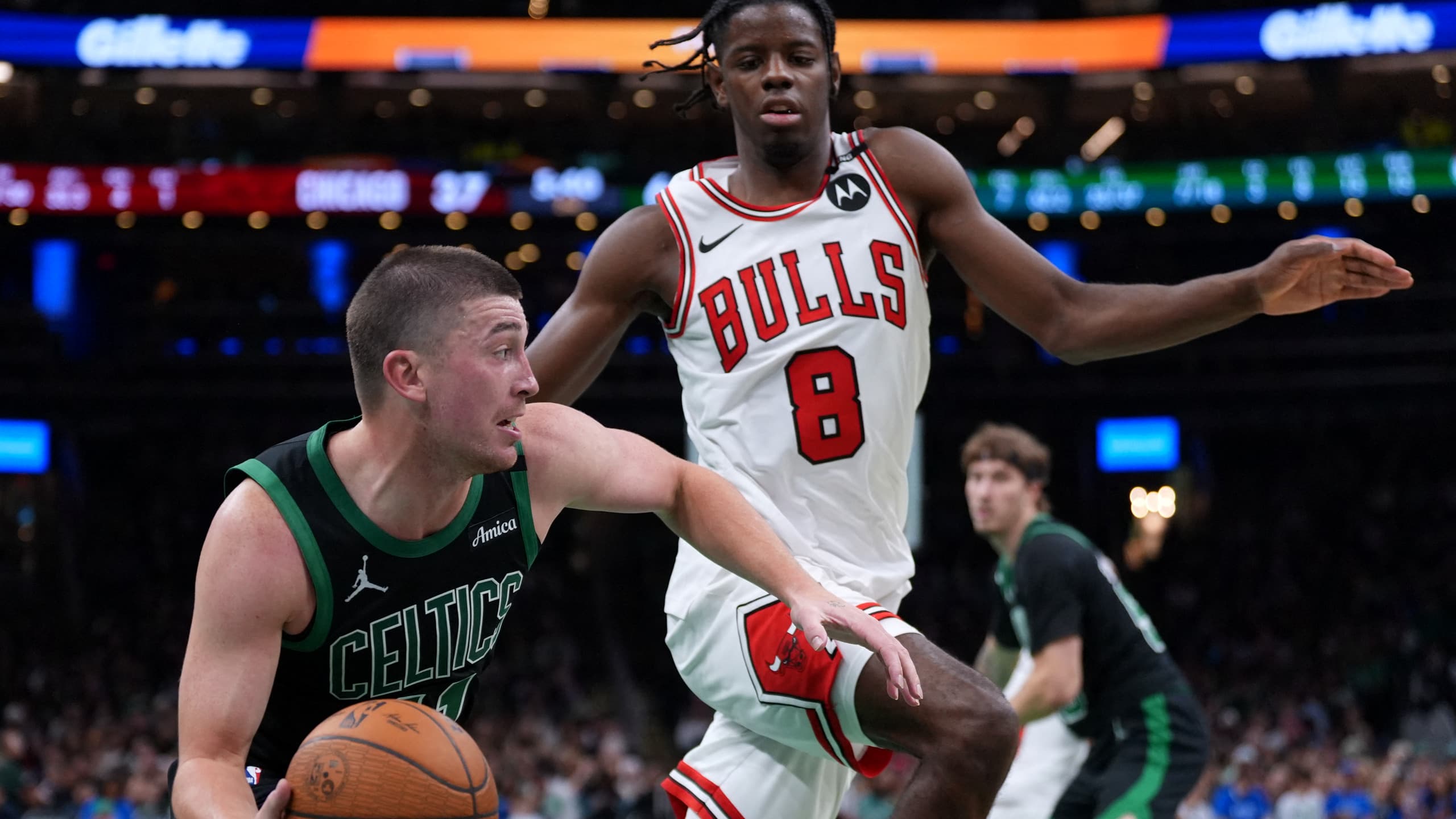
Let’s get one thing straight: 30 points demands attention. Payton Pritchard put on a scoring display that had the Garden buzzing, and nobody is going to pretend otherwise. But here’s the uncomfortable truth hiding behind the highlight reel - the real story wasn’t the buckets. It was what happened on the other end of the floor.
Pritchard’s 30 Points Show Celtics Need Two-Way Fire. That headline isn’t a knock on the man - it’s a blueprint. His scoring outburst proves his value in bold, undeniable strokes, but Boston’s ceiling depends on two-way fire, not one-way highlights. The Celtics aren’t chasing regular-season spark. They’re chasing banners. Nights like this expose exactly what separates a feel-good scoring night from playoff reliability - and Boston’s title window doesn’t wait for anyone.
The 30-Point Statement: Scoring Is Nice, Stopping Is Non-Negotiable
Let’s break down what those 30 points actually looked like. This wasn’t empty-calorie stat-padding - the shot quality was crisp, the pace relentless, and Pritchard’s energy jolted the second unit like a live wire. He pushed the tempo, hunted his spots, made the offense hum. That matters. It’s why coaches trust him.
But flip the lens. Scoring sells tickets. Defense wins series. Every time the offense cooled, the questions piled up on the other end: the rotations, the gaps opponents attacked, the possessions where effort alone wasn’t enough. The two-way test for Pritchard is simple - how does his on-ball pressure and off-ball awareness measure up when the game slows down and every possession gets dissected in the halfcourt?
> 📊 30 points - Pritchard's scoring outburst proves his value, but the defensive possessions tell the real story of Boston's ceiling.
That’s the gap between a spark and a starter in the playoff crucible.
What the Box Score Won’t Tell You
Scoring Sells - Defense Wins Series
The box score will tell you Pritchard scored 30. It won’t tell you how opponents targeted him in pick-and-roll coverage, or how fast the Celtics’ rotation scrambled to compensate. In today’s NBA, where every team hunts mismatches with surgical precision, one-way guards get exposed - and Boston knows it.
The Height Question Deserves a Better Answer
Yes, the size limitations are real. Nobody’s pretending otherwise. But effort, positioning, and anticipation are the counterpunch - and Pritchard already wins defensively with charges, deflections, and hustle plays that never show up in most columns. Where he still gets hunted is in isolation, and the coaching staff’s job is to build a scheme that protects him without hiding him.
| Category | Tracking Area | What to Watch |
|---|---|---|
| Scoring | Shot quality, pace | Efficient looks, not just volume |
| On-ball defense | Pick-and-roll coverage | How often opponents attack him |
| Off-ball defense | Rotations, anticipation | Deflections, charges, closeouts |
| Scheme | Coaching adjustments | Protection without hiding him |
The Bigger Picture: Boston’s Bench Identity Is Being Forged
This isn’t just about one player. It’s about the entire second unit. Can Boston’s bench bring two-way fire every single night - not just when the shots fall? The energy looks completely different when Pritchard shares the floor with Boston’s defensive anchors than when he’s asked to carry the load alone. That contrast is the whole story.
> 📊 The second unit's identity - Boston's bench must bring two-way fire every night for seeding and playoff flexibility.
The path forward matters: a full season of two-way Pritchard would mean better seeding, more favorable playoff matchups, and closing-lineup flexibility that head coaches dream about. That’s the evolution. That’s the leap.
Closing takeaway: 30 points got the headline - the two-way fire is what gets the ring. Pritchard’s next step, and Boston’s, starts there.
Important: Before this goes live, verify the specific game date, opponent, final stat line, and defensive metrics against official NBA box scores and postgame reports. Per ESPN's Celtics coverage, replace the figures referenced above with confirmed data before publishing.