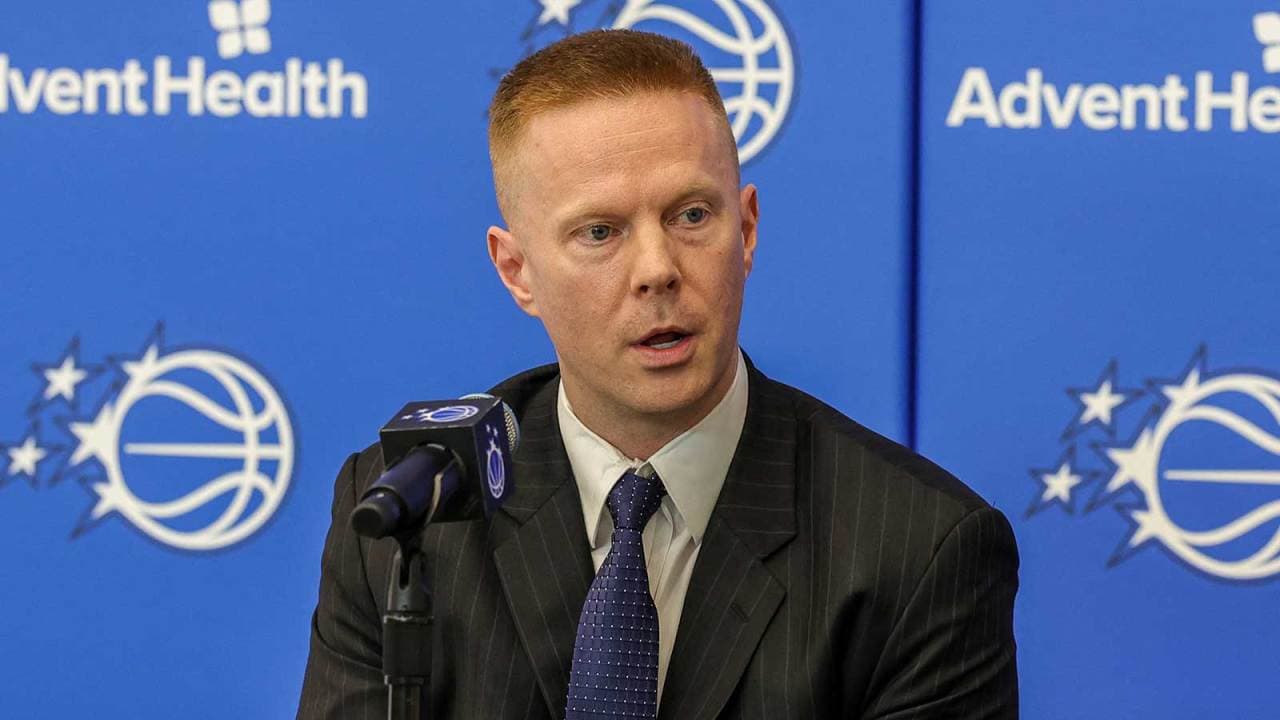
Circle a date on the calendar, Raptors fans - not a game, but whatever day Bobby Webster steps to a podium next. All offseason, Toronto's general manager has walked a careful line. Never promising a tank. Never quite promising a title chase. That changed this week.
At his latest media availability, Webster didn't dodge. Asked whether the Raptors would push their chips to the center of the table, he gave the answer this fanbase has been starving for since the 2019 parade rolled down Lake Shore Boulevard.
"We're not in the business of waiting forever," Webster said. "If the right move is there - a move that makes us a real problem in the East - we make it. No hesitation."
Translation? The patient rebuild era is on notice. Toronto isn't hunting another developmental season. It's hunting a difference-maker.
The timing isn't random. The Eastern Conference has never been more wide open at the top, and the Raptors' young core has quietly matured into something that can either be the foundation - or the trade package.
The Ghost of 2019 Still Hangs Over Every Raptors Decision
A Trade That Built a Banner - and a Blueprint
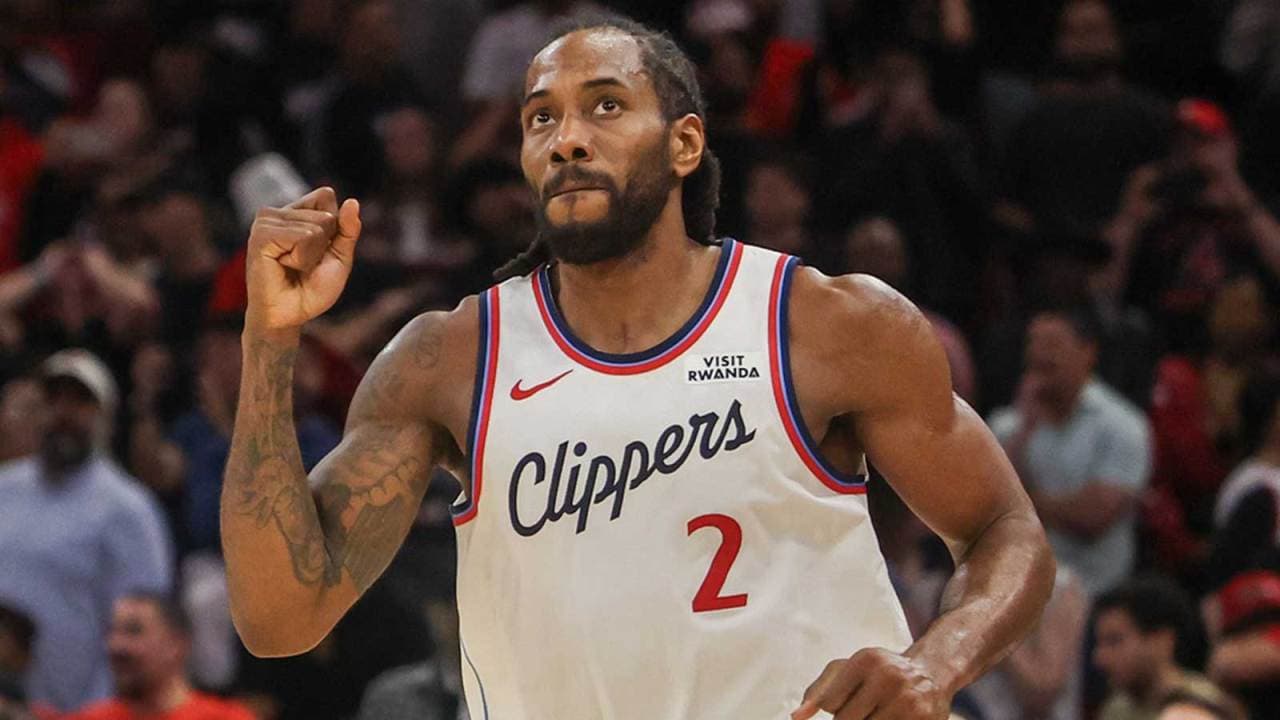
Rewind, because context matters. On July 18, 2018, Masai Ujiri rolled the dice on a superstar with one year left on his deal, sending DeMar DeRozan, Jakob Poeltl, and a protected 2019 first-rounder to San Antonio for Kawhi Leonard and Danny Green. What followed is Canadian sports scripture: a 2019 NBA championship, a Finals MVP for Kawhi - and then the gut punch. Leonard walked to the LA Clippers in free agency that July.
That single sequence - trade boldly, win everything, lose the star anyway - became the Raptors' organizational DNA. It proved Toronto could land a whale. It also proved that renting one isn't the same as keeping one. So whenever this front office hints at aggression, Raptors news: GM Bobby Webster teases all-in move after Kawhi Leonard trade keeps resurfacing.
Why Webster Keeps Getting Asked About It
Every time the Raptors front office hints at aggression, the Kawhi trade gets dragged back into the conversation. Fans remember the highs. The front office remembers the lesson: swing big, but build something that survives the swing.
That's the tension Webster is managing right now. He isn't teasing a repeat of 2018. He's signaling a smarter version - using the assets stockpiled since then (young players, draft capital, cap flexibility) to chase a move that doesn't evaporate in twelve months.
📊 2018 Kawhi trade package - DeRozan, Poeltl, and a protected 2019 first-rounder went to San Antonio - the exact kind of bundle Toronto built its next asset stockpile to top.
"We learned a lot from that year," Webster admitted. "What we're building now is meant to last, not just to peak."
For the full historical context, the official Toronto Raptors championship history remains the definitive record of how that season unfolded. More recent front-office decisions are tracked through ESPN's Raptors coverage.
What an "All-In" Move Actually Looks Like in Toronto
The Assets in the War Chest
Toronto isn't bluffing about optionality. The Raptors have assembled exactly the kind of package that gets you a seat at the table when a disgruntled star becomes available:
- A stable of young, cost-controlled wings with real two-way upside
- Multiple future first-round picks still in the chamber
- Contracts that can be aggregated to match almost any salary
That combination is the NBA's universal currency. Webster knows it. So does every other GM in the league.
| Asset Category | Why It Matters | Trade Value Tier |
|---|---|---|
| Young two-way wings | Match salaries, supply upside to rebuilders | High |
| Future first-round picks | The currency every star deal demands | Premium |
| Aggregatable contracts | Lets Toronto match almost any incoming salary | Flexible |