The 2026 Red Sox have a lineup problem, and Boston knows it. As the offseason gets rolling, the front office faces a familiar crossroads: the roster needs real change, but almost every path to fixing it is blocked by money, prospects, or pressure. The Red Sox need a lineup overhaul. It's complicated, though - and any fan who's watched this team grind through another uneven season understands exactly why.
The core issue isn't talent. It's fit. Boston has assembled a collection of solid big-league regulars who don't complement each other. The lineup stacks too many low-on-base bats in a row, and it struggles to sustain rallies against same-handed pitching. That's not a scouting failure - it's a construction problem. And construction problems are the hardest kind to solve in a market that demands results yesterday.
The roster is muddy where it needs to be sharp
Where the lineup leaks runs
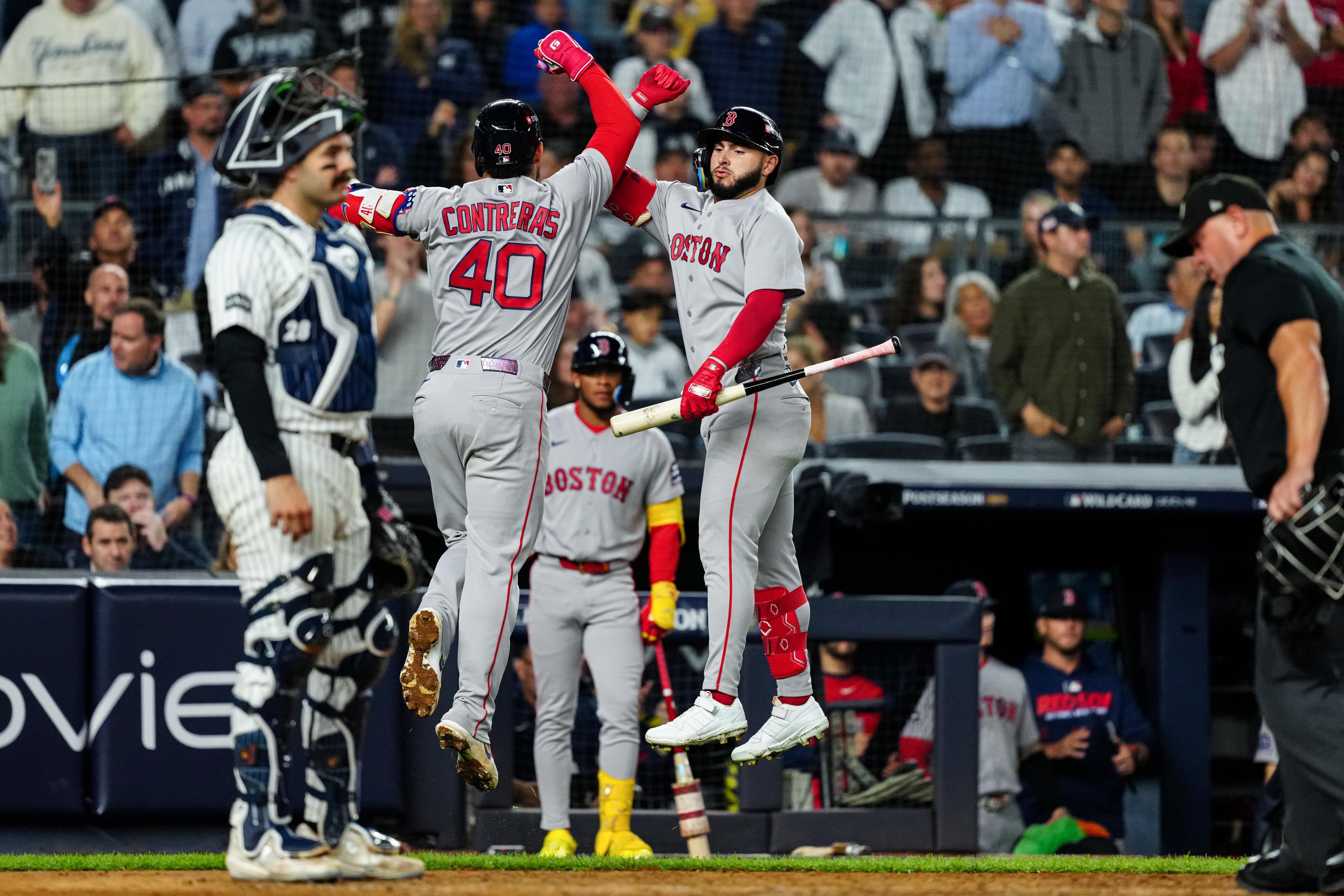
Watch enough Red Sox games and the pattern jumps out. The lineup produces in bursts, then disappears for whole series. Too often, the bats stacked in the middle of the order share the same handedness, so opposing managers simply march in a lefty reliever and watch Boston's rally die. Meanwhile, the top of the order lacks a true on-base engine - the kind of hitter who grinds at-bats, works counts, and sets the table for the run-producers behind him.
The structural issue runs deeper than any single slump. Boston has tended to collect good players rather than build a balanced, complementary group. That means the Red Sox need a lineup overhaul on the fit level, not just the talent level - and those are two very different projects.
📊 Lineup fit, not talent, is Boston's core problem - the roster lacks complementary handedness and on-base skills, which is why rallies stall against same-handed pitching.
Why the pieces don't click
A lineup is a system, not a list. When the parts don't fit, individual stats can look fine while the whole thing underperforms. Boston's current group proves that. The Red Sox need a lineup overhaul. It's complicated, though, because the players who don't fit are also the players with the most guaranteed money attached.
Why blowing it up is harder than it looks
The contracts nobody wants to eat
Here's where the math gets ugly. Long-term deals signed in prior offseasons now function as anchors. Moving those contracts means either eating salary, attaching prospects, or both. The luxury tax compounds everything - Boston's front office can't simply outspend the problem, because every dollar over the threshold triggers real penalties and draft-pick consequences. The Red Sox need a lineup overhaul. It's complicated, though, precisely because financial flexibility is the scarcest resource in the organization right now.
Table: The three levers constraining a Red Sox lineup overhaul
| Lever | Why it blocks change | What it costs to pull |
|---|---|---|
| Guaranteed contracts | Long-term deals limit trade flexibility | Salary eaten or prospects attached |
| Luxury tax threshold | Caps aggressive spending | Draft picks and penalty dollars |
| Farm system depth | Top prospects are untouchable in trades | Future stars or immediate help - rarely both |
The farm system trade-off
Upgrading via trade means deciding which prospects are expendable and which are untouchable. Boston's system has enough depth to land a bat - but the market knows the Red Sox are desperate, and desperation inflates prices. Overpaying for a bat at the deadline or in free agency is exactly how franchises turn one bad season into three. The front office has to weigh a win-now push against the long game, and there's no clean answer.
The fan and media pressure
Then there's the market itself. Boston punishes patience. A quiet offseason reads as a failure, and talk radio fills the void within days. That pressure pushes the front office toward win-now moves that may not fit the long-term plan - the exact opposite of what a smart overhaul requires. According to MLB.com, roster construction in the modern game demands balance across handedness, on-base ability, and defensive value, and teams that chase stars without addressing fit tend to plateau. The Baseball Prospectus community has made the same point for years: lineup balance beats lineup star power more often than fans think.