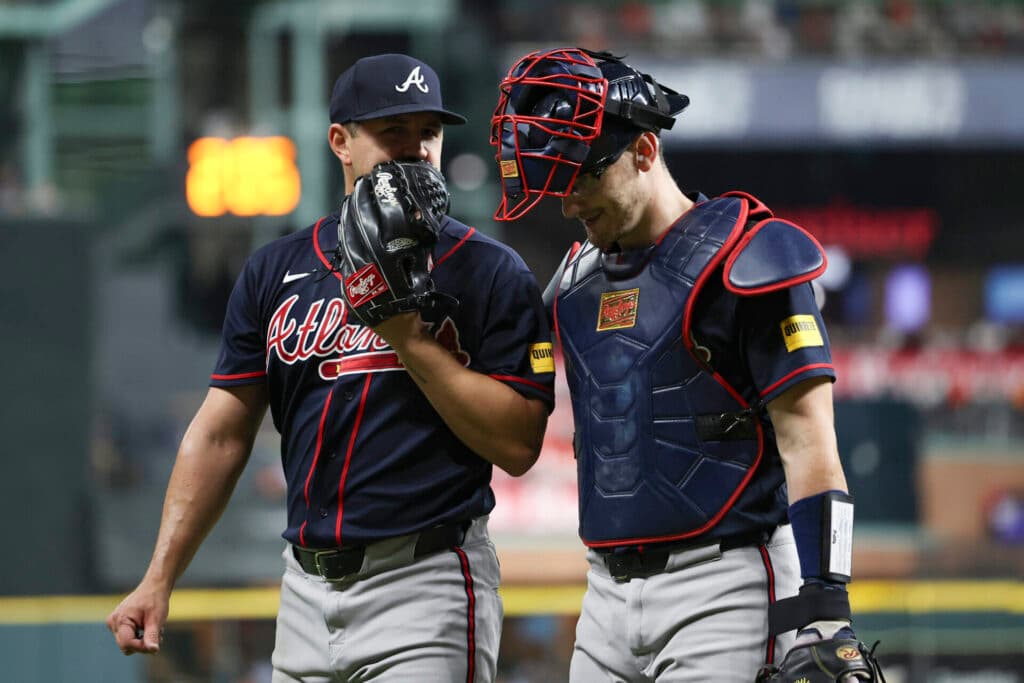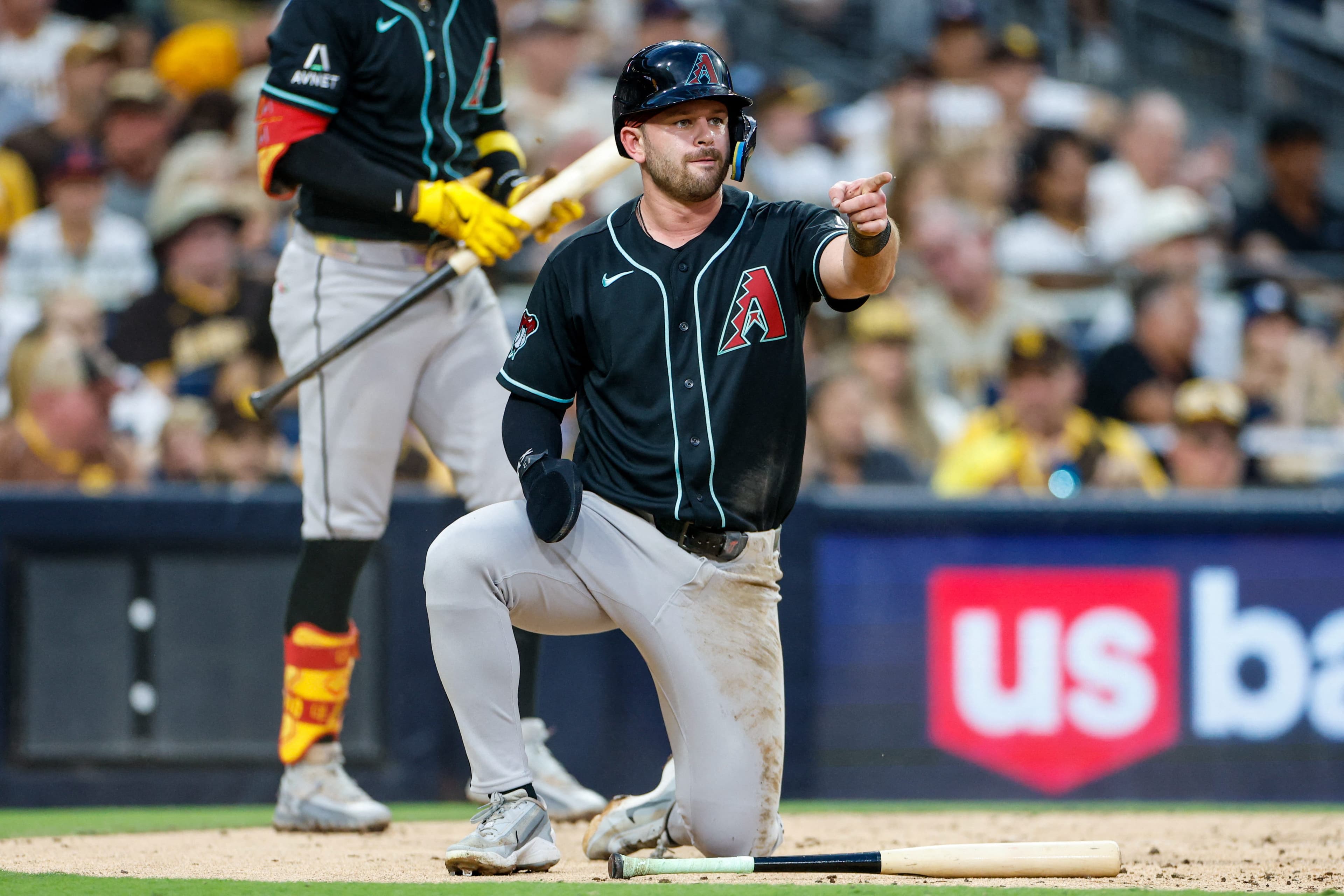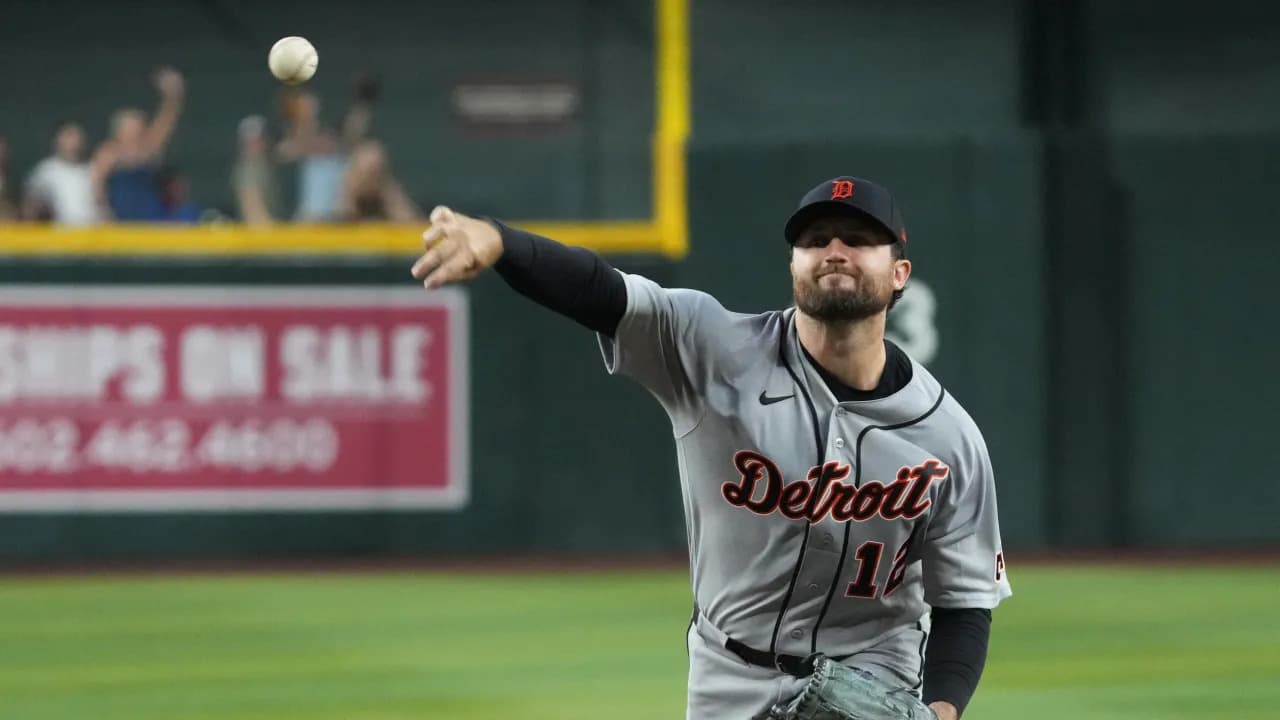
The hot stove just got hotter in Boston. A fresh report has Fenway Park buzzing over a "potential landing spot for a former No. 1 overall pick," and Red Sox fans are already wearing out their refresh buttons. It's the kind of headline that makes you spit out your Dunks - big arm, big pedigree, big market. But before anyone starts designing a jersey, Get Sports Journals is here to do the honest work. This headline is doing some heavy lifting, and you deserve the full picture, not just the click.
Let's start with the name game, because it's messier than it looks. The cleanest match for the "former No. 1" label is Casey Mize, the Tigers' right-hander taken first overall back in 2018. Problem is, Mize is a Detroit asset under team control - so any Boston "landing spot" means a trade, not a signing. Then there's Walker Buehler, a former first-rounder (No. 24 overall, 2015) whose Boston future is genuinely up in the air after an uneven 2025 on a one-year deal worth roughly $21 million. He may be the player actually being referenced here. The discrepancy matters: the headline's precision is still very much up for debate.
Here's why Boston's name keeps surfacing in rumors like this one: Craig Breslow and Co. have spent two straight offseasons hunting top-of-the-rotation arms. That verified appetite for frontline pitching is the engine behind every whisper - and it's why a report like this lands with real weight, even before the details firm up.
The Trade-vs.-Free Agency Distinction That Changes Everything
Keep this tight, because it's the hinge the whole story swings on. A Mize scenario costs prospect capital - real, painful, farm-system capital. A Buehler scenario is a contract question - dollars and years, no prospects attached. That difference is everything. It determines how seriously fans should take the report, what Breslow would actually be giving up, and whether this is a bold swing or a low-risk flyer. Read the fine print before you dream on it.
Why the Fit Makes Sense - and Where It Doesn't
Break down the baseball logic in both directions, because there's a real case here - and a real caution label.
The case for: Garrett Crochet transformed the top of Boston's rotation in 2025. All-Star debut, a long-term extension (six years, $170 million, reported in April 2025), bona fide ace material. But one ace isn't a championship rotation.
> 📊 Six years, $170 million - Crochet's reported extension, the financial anchor of Boston's rotation and proof the front office will pay for frontline arms.
Adding another high-upside arm with pedigree fits the stated blueprint perfectly. And with Fenway's contention window wide open, the timing couldn't be better. Alex Cora's track record with buy-low, high-ceiling arms is a genuine selling point - the man has a knack for getting the most out of reclamation projects, and that résumé matters if Boston is chasing pedigree over polish. There's also a quiet wildcard worth flagging: occasionally, Boston's rotation outlook has been floated as a fit for other veteran arms, and you can follow our ongoing Red Sox coverage for the full rumor mill.
The case against: Pedigree isn't production. The former-No.-1 profile comes packaged with injury history and inconsistency questions, and Boston's farm system is far too valuable to spend carelessly on a reclamation project.
| Player | Draft Pedigree | Acquisition Path | Boston Fit |
|---|---|---|---|
| Casey Mize | No. 1 overall (2018) | Trade (Detroit control) | Cleanest "No. 1" match; costs prospects |
| Walker Buehler | No. 24 overall (2015) | Free agency | Uneven 2025; contract question, not trade |
And address the Buehler wildcard head-on: his 2025 in Boston was inconsistent, and re-signing him is a very different bet than trading for Mize. One is a belief in a bounce-back; the other is a belief in a talent - and paying for it.
The Bottom Line: Hype vs. Reality for Red Sox Fans
Here's the clear-eyed verdict.