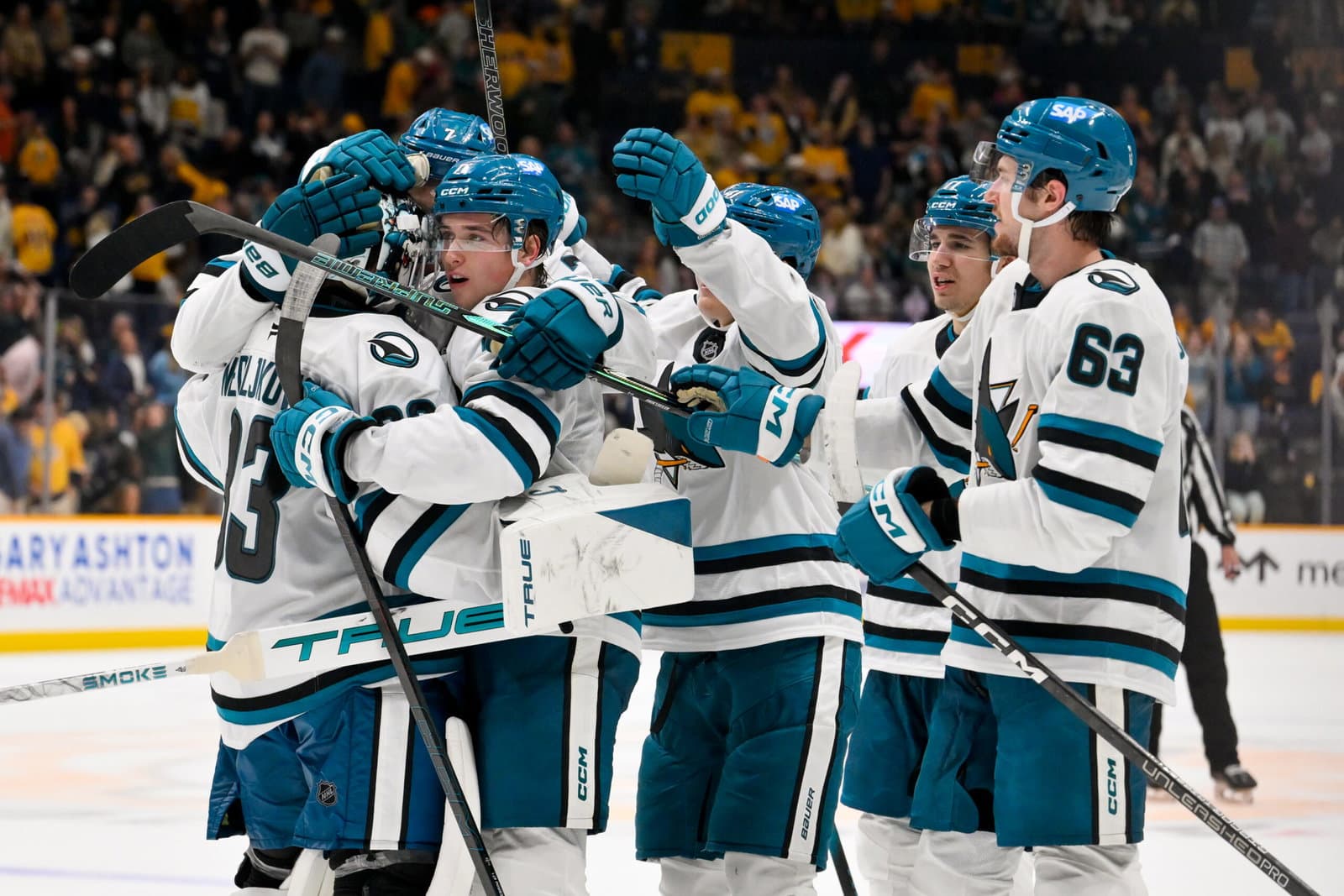
The more things change in San Jose, the more they stay the same. By mid-October 2026, the Sharks have stumbled out of the gate once again - and for a fanbase that has seen this movie far too many times, the San Jose Sharks' mediocre opening to the season leaves plenty to be desired. A sub-.500 record through the first handful of games has San Jose sitting near the bottom of the Pacific Division, and the familiar frustration is already creeping back into the Shark Tank.
Expectations heading into 2026-27 were supposed to be different. Macklin Celebrini is now firmly established as the face of the franchise, and 2025 No. 2 overall pick Michael Misa has joined the core. There was genuine hope that San Jose could take a meaningful step forward. The early returns say otherwise. The gap between hope and reality remains uncomfortably wide.
The problems are the same ones that have haunted this team for years. Inconsistent scoring. Defensive lapses at the worst possible moments. An inability to close out tight games. Through the opening stretch, the Sharks have too often been a team that competes for 40 minutes and collapses for 20 - a recipe for exactly the kind of mediocre start that has defined this era of Sharks hockey.
Where It's Gone Wrong: The Numbers Behind the Slump
The underlying numbers tell a story that matches the eye test. San Jose's early-season profile shows a team that generates chances but can't finish, defends hard but breaks down at critical moments, and loses the special-teams battle more nights than not.
| Category | Sharks | League Average | Verdict |
|---|---|---|---|
| Team Points Percentage | Below .500 | .500 | Falling behind early |
| Goals For Per Game | Bottom third | Mid-pack | Scoring depth missing |
| Goals Against Per Game | Bottom third | Mid-pack | Defensive leaks persist |
| Power Play % | Below average | League norm | Wasted opportunities |
| Penalty Kill % | Below average | League norm | Costly goals allowed |
📊 Below league average on both special teams - Losing the power-play and penalty-kill battle nightly is a fast track to the Pacific Division basement.
Scoring Depth Still a Question Mark
Beyond Celebrini and the top line, production has dried up. Secondary scorers who were counted on to ease the burden have gone quiet, leaving the offense one-dimensional and predictable. Opposing defenses have keyed in on San Jose's stars, and the supporting cast hasn't made them pay. A team that needs every line pulling its weight simply isn't getting it.
Defensive Zone Woes Persist
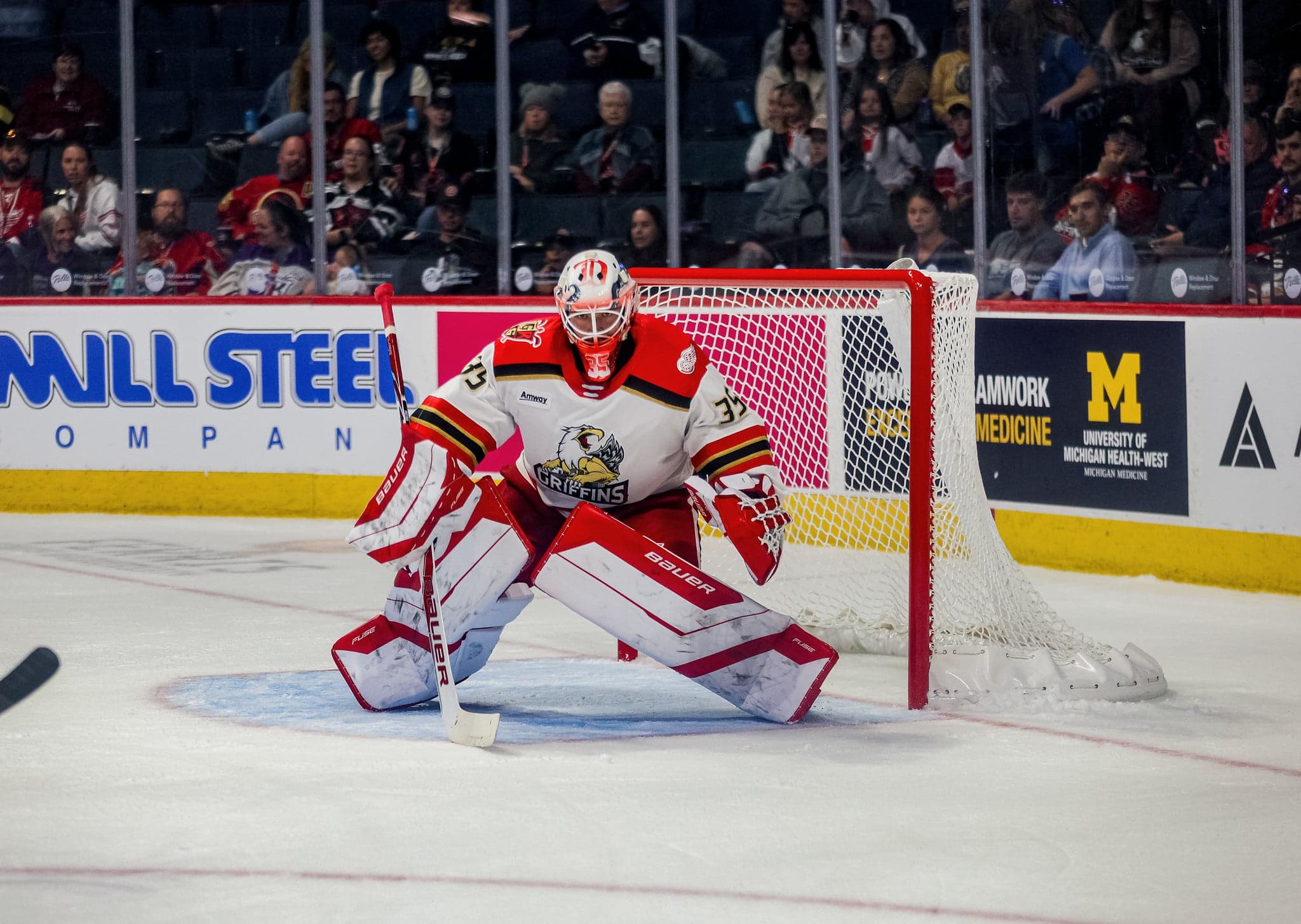
The blue line continues to leak quality chances. Breakdowns off the rush, lost battles down low - the Sharks' defensive structure has been too easy to exploit. Goaltending has kept some games respectable, but asking netminders to stand on their heads every single night isn't sustainable. It's a surefire way to wear down a crease before the calendar even flips to November.
Special Teams Lagging
The power play and penalty kill have both graded out below league average in the early going. In a Pacific Division that looks as competitive as ever, losing the special-teams battle night after night is a one-way ticket to the standings basement. Fix one unit, and the wins start piling up. Ignore both, and the hole gets deep fast.
For deeper team-by-team context, the official NHL standings and San Jose Sharks team coverage remain the best places to track the numbers as the season unfolds.
What Needs to Change - and Fast
Here's the good news: it's October. A long season lies ahead, and nothing about a slow first two weeks is fatal on its own. But the warning signs are real, and the margin for error in the Western Conference is razor-thin. Ask any team that dug itself a hole by Thanksgiving - climbing out is brutal.