The Current Crisis: Why This Week Is Different
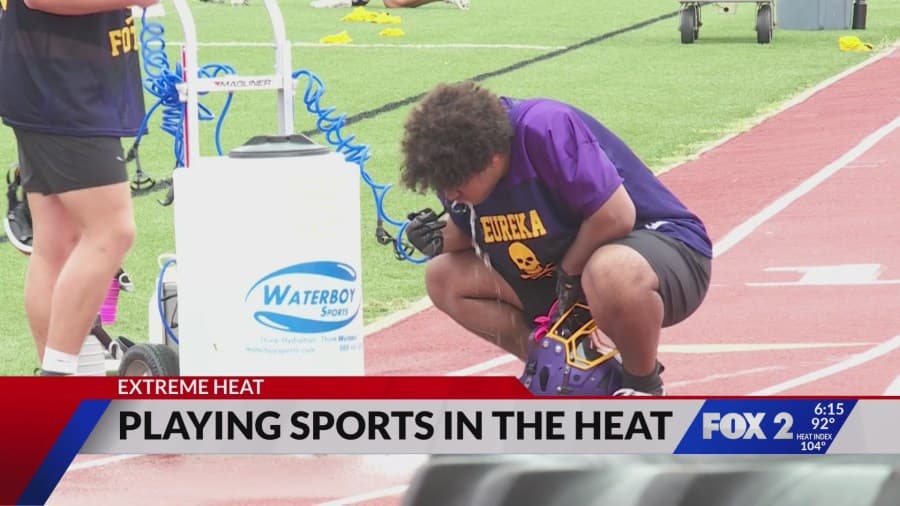
St. Louis, it is not your imagination - this heat is trying to kill us. The National Weather Service has issued an Excessive Heat Warning for the metro area that remains firmly in effect through Wednesday, August 12, at 8:00 PM CDT. With heat index values forecast to hit a suffocating 105°F to 112°F, local athletic trainers are sounding the alarm louder than they have all season. This isn't just another sticky Missouri summer - this is the first time MSHSAA's Stage 3 protocols (the full suspension of all outdoor activities) have been triggered during the official heat acclimatization window this year. Yes, that’s a first for 2026.
And the numbers back up the urgency. Emergency department visits for heat exhaustion among athletes aged 12 - 18 in St. Louis County are running 22% higher than the five-year average for this exact period, according to a report released August 5 by the St. Louis County Department of Public Health. BJC Sports Medicine is reporting a 15% week-over-week spike in heat-related exertion visits among youth athletes aged 14 - 18. This isn't a hypothetical warning for next summer - it is happening right now on fields across the region. Every single practice is a potential emergency room visit if we don't change the way we operate.
The Real Red Flag Nobody's Talking About
BJC Sports Medicine staff want every parent and coach to understand something immediately: do not wait for the classic sign of sweating cessation. The primary red flag is altered mental status - confusion, disorientation, slurred speech, or just acting unusually. By the time an athlete stops sweating, they are already deep into the danger zone. Trainers are urging everyone on the sideline to monitor for subtle changes in how an athlete is thinking and responding, not just how much they are sweating. If a kid looks "dazed" after a drill, don't hand them a water bottle - pull them out and cool them down immediately.
📊 22% increase in heat exhaustion ER visits among St. Louis County athletes aged 12 - 18 - The highest spike in five years, per the August 5 public health report.
What Trainers Are Seeing on the Ground
The most talked-about incident this week happened on August 7, when a 15-year-old football player collapsed during practice at University City High School with a core body temperature of 105.8°F. The athletic trainer on-site used a wet-bulb globe thermometer (WBGT) reading of 93.5°F to make the call to cancel the remainder of practice instantly. The player spent 45 minutes in a cold-water immersion tub before recovering fully. That trainer’s viral post on X on August 8 has become required reading for every program in the area - a stark reminder that these conditions are not negotiable.
But here’s the uncomfortable truth: the St. Louis Athletic Trainers' Association (SLATA) reports that 70% of local high schools still lack on-site WBGT devices. That's a $600 - $900 piece of equipment that could be the difference between a safe practice and a trip to the ER. Most schools are relying on NWS mobile app data instead, which trainers say doesn't capture the "dangerous humidity differential" that’s unique to the St. Louis microclimate. It’s a gamble, and on days like this, the house always wins.
The good news? New cooling technology is hitting the sidelines. St. Louis City SC and Cardinals minor league affiliates have adopted portable "KoreTraction Cold Pods" - ice immersion baths that retail for $4,200 per unit - and trainers highlighted them this week as critical for rapid cooling when core temps exceed 104°F. For schools without that budget, standard cold-water immersion tubs run $1,850, and mobile ice carts rent for $350 per week.
| Equipment | Cost | Availability |
|---|---|---|
| KoreTraction Cold Pods | $4,200 per unit | Used by City SC & Cardinals affiliates |
| Standard Immersion Tub | $1,850 | Recommended for all high schools |
| Mobile Ice Cart (weekly rental) | $350/week | Temporary relief option |
| WBGT Device | $600 - $900 | Missing in 70% of local high schools |