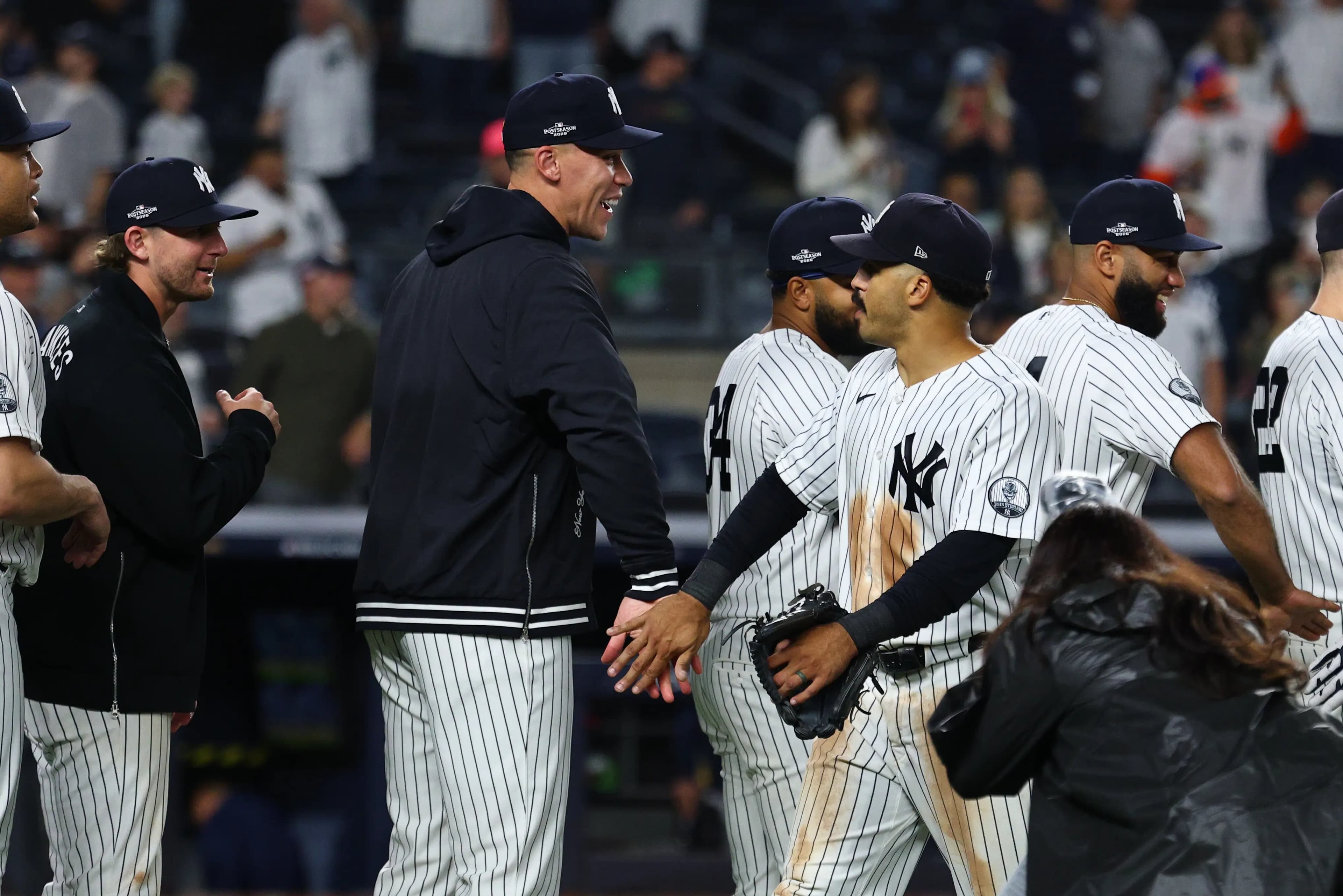
The Yankees survived the Wild Card Series. Now comes the part that actually matters. If New York's October blueprint ignores what the Wild Card round just revealed about this roster, the ALDS becomes a trap. But if Aaron Boone and his staff build the Yankees postseason game-plan to reflect Wild Card Series performance - the good, the bad, and the ugly - this team has the ammunition to make a deep run. Here's what the tape says, and here's how the plan has to change.
Setting the Table: What the Wild Card Series Exposed About This Yankees Roster
The best-of-three format is a pressure cooker, and it laid this roster bare in three games. Under the 12-team playoff format MLB adopted in 2022, the Wild Card Series is hosted entirely by the higher seed, and the top two division winners head straight to the ALDS. That structure means the Yankees' October identity got compressed into a sprint - and the sprint wrote a clear scouting report.
The Bats Woke Up - But Only in Bursts
New York's offense didn't disappear in the Wild Card Series. It flickered. Big innings came in bunches, then vanished for stretches of weak contact and empty at-bats with runners on. Burst scoring wins a three-game series. It does not survive a five-game ALDS against a rested staff. The Yankees postseason game-plan should reflect Wild Card Series performance by treating the lineup's inconsistency as the No. 1 problem to solve, not a footnote.
📊 Burst offense defined the Wild Card round - Scoring in bunches got New York through, but the dry spells are exactly what a deeper, better-rested ALDS pitching staff will exploit.
The Bullpen Usage That Can't Be Undone
Here's the structural price of survival. Every high-leverage inning the Yankees leaned on their relief corps in the Wild Card Series is an inning that's gone from the ALDS bank. Teams that survive the Wild Card round enter the Division Series with staffs already taxed - that's baked into the format, not bad luck. New York now has to decide which relievers are still trusted on back-to-backs and, just as importantly, which starters have to cover more ground.
The Game-Plan Blueprint: Three Adjustments the Yankees Must Carry Forward
Rotation Strategy for the ALDS
The rotation is where the Wild Card workload bites hardest. The cleanest plan: name a Game 1 starter, then line up the rest of the series so no starter is asked to gut out a "save the bullpen" start on short rest. If the Wild Card round proved anything, it's that this bullpen is elite but finite. Load management matters more in October than in July - and the Yankees postseason game-plan should reflect Wild Card Series performance by mapping innings for the whole series, not just Game 1.
Lineup Construction and Matchup Hunting
Stop writing the lineup card like it's Game 162 of the regular season. The Wild Card Series offered a live audition for October hitters, and the ALDS is the moment to reward it. That means hunting matchups all game: stacking the bats that worked counts, benching slumps regardless of contract, and using the bench as a weapon against a rested opponent's bullpen rather than a rest stop.
| Element | Carries Into ALDS? | Adjustment Needed |
|---|---|---|
| Burst offense | No | Spread production across innings; attack early counts with runners on |
| Short-leash bullpen usage | No | Innings management replaces urgency; trust depth arms in low leverage |
| Pitching staffs already taxed | Yes - format reality | Rotation must eat innings in Games 1 - 2 |
One reminder for fans tracking the bracket: unlike the Wild Card Series, the ALDS seats the top division winners who sat out the opening round, refreshed and fully aligned. The Yankees are walking into the deeper rounds with scars the bye teams don't have.